At first sight, the news from Bangkok was cheerful. At the annual meetings of the International Monetary Fund and the World Bank, the IMF raised its forecast for the world economy: 3.1 per cent growth this year, up from 3.0 per cent in July, and 3.4 per cent next year.
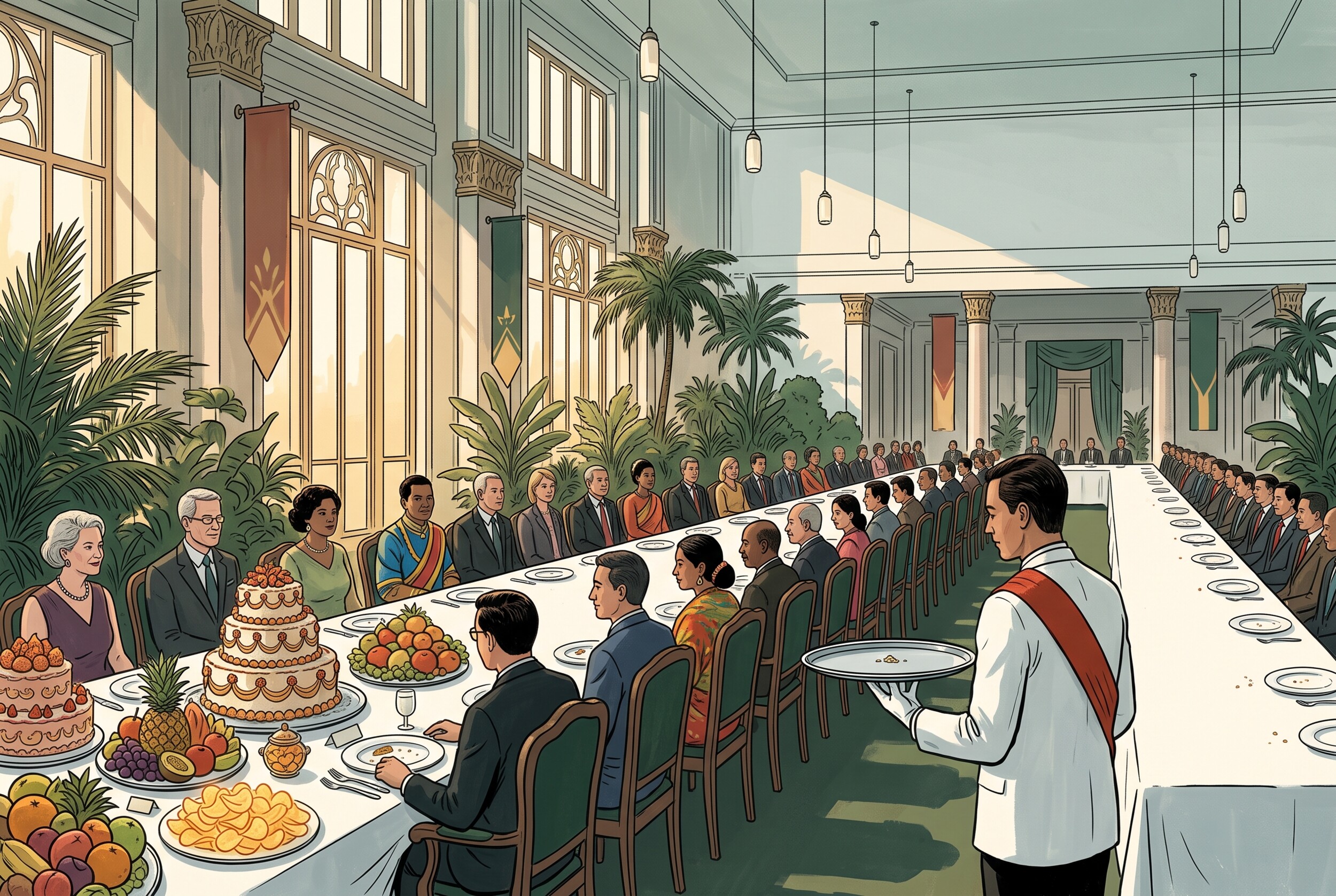
The fine print is less cheerful. According to the IMF, just 32 countries now account for 95 per cent of global growth. In April that was still 54. The cake is growing, but fewer people are getting a slice.
Part of the reason is artificial intelligence. The boom in chips and data centres pulls money and trade towards a few places: the United States and China together account for more than three-quarters of net demand for imported computer chips and other AI equipment. “The outlook is highly uneven,” said the IMF’s research director, Silvana Tenreyro. In other words: the countries that build and buy the machines are pulling ahead, and the rest are watching.
Closer to home, the picture is modest. The euro area is expected to grow by just 1.1 per cent this year, against 2.3 per cent for the United States. Prices are also not quite tamed: the IMF expects inflation worldwide to average 4.7 per cent in 2026, and its sums assume oil at around 96 dollars a barrel, which is not a law of nature.
None of this means a crisis. Global growth is holding up better than many feared. But an economy that grows in fewer places is more fragile: when one of the engines sputters, there are fewer others to take over.